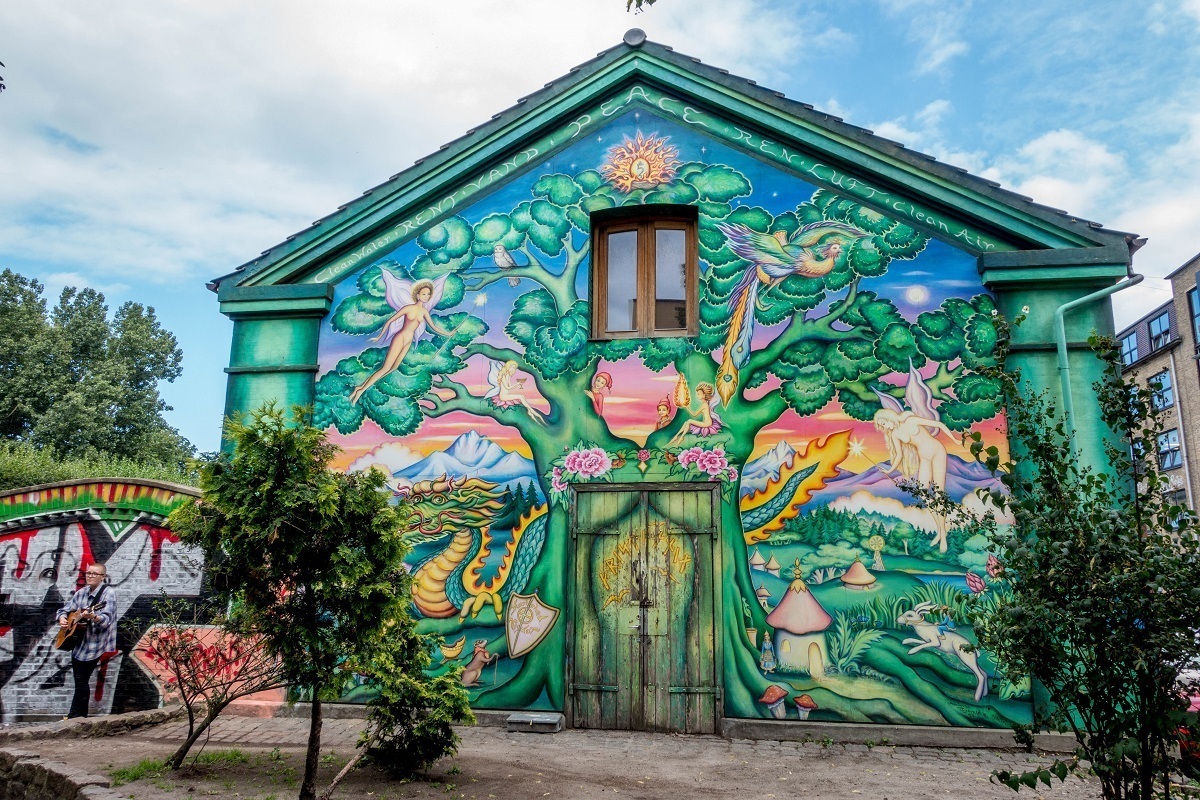
Hostels: The Original Co-Living Spaces
Before co-living brands, digital nomads and hybrid lifestyles became trends, hostels were already practicing what the world now calls “the future of living”: sharing spaces, connecting people and creating community. Across Europe, hostels have long been pioneers of a way of life that blends culture, human connection and sustainability. Today, as travelers increasingly work remotely and seek meaningful social experiences, hostels feel more relevant than ever. This is why we say that hostels were the original co-living spaces.
Hostels shaped co-living long before it had a name
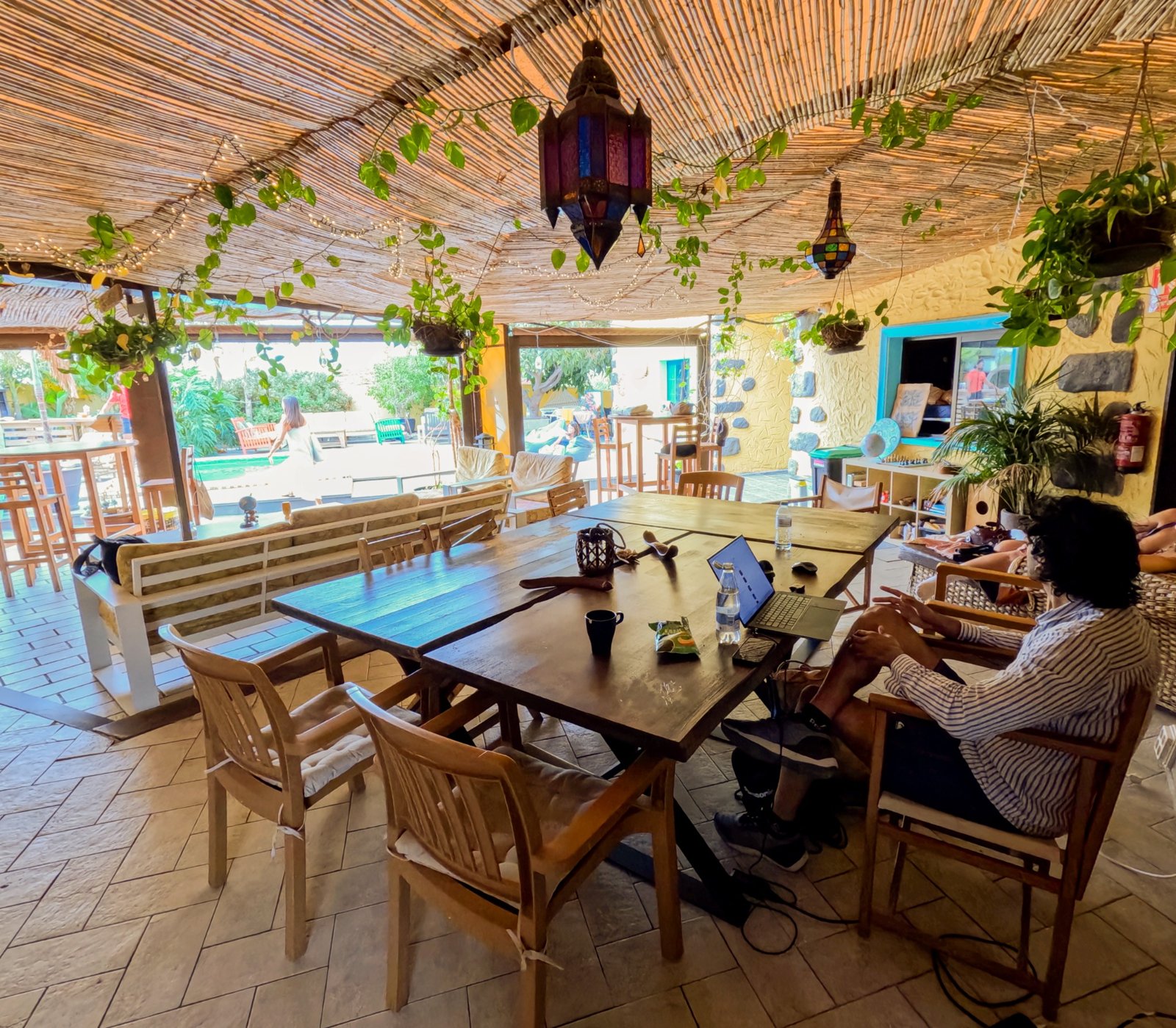
For decades, hostels have been places where strangers become part of the same temporary home. Respect, flexibility and collaboration grow naturally in shared kitchens, common rooms, dorms and rooftops. This daily social education is something even the most modern co-living models struggle to recreate.
Community has always been our core value
What makes hostels unique is not the building — it’s the atmosphere. Guests find themselves surrounded by people who are open, curious and eager to connect. From spontaneous conversations to long-lasting friendships, the hostel environment encourages genuine human interaction.
Hostel staff are cultural bridges
In every hostel, the team plays a fundamental role. They are not just receptionists or bartenders; they are local storytellers, cultural interpreters and trusted advisors. They know how to guide travelers beyond the tourist map and into the real soul of a city.
Hostels naturally support the new way of working
Remote work has transformed travel, and hostels are adapting with creativity. Across EFH properties, guests can now find:
- quiet corners for deep focus
- rooftop tables for early-morning work sessions
- strong Wi-Fi
- flexible day passes or memberships
- kitchens and laundry rooms for long stays
- affordable, social environments ideal for freelancers and digital nomads
Not every hostel calls it “co-working,” but many have done it long before the word even existed.
A real example: Ostello degli Elefanti, Catania
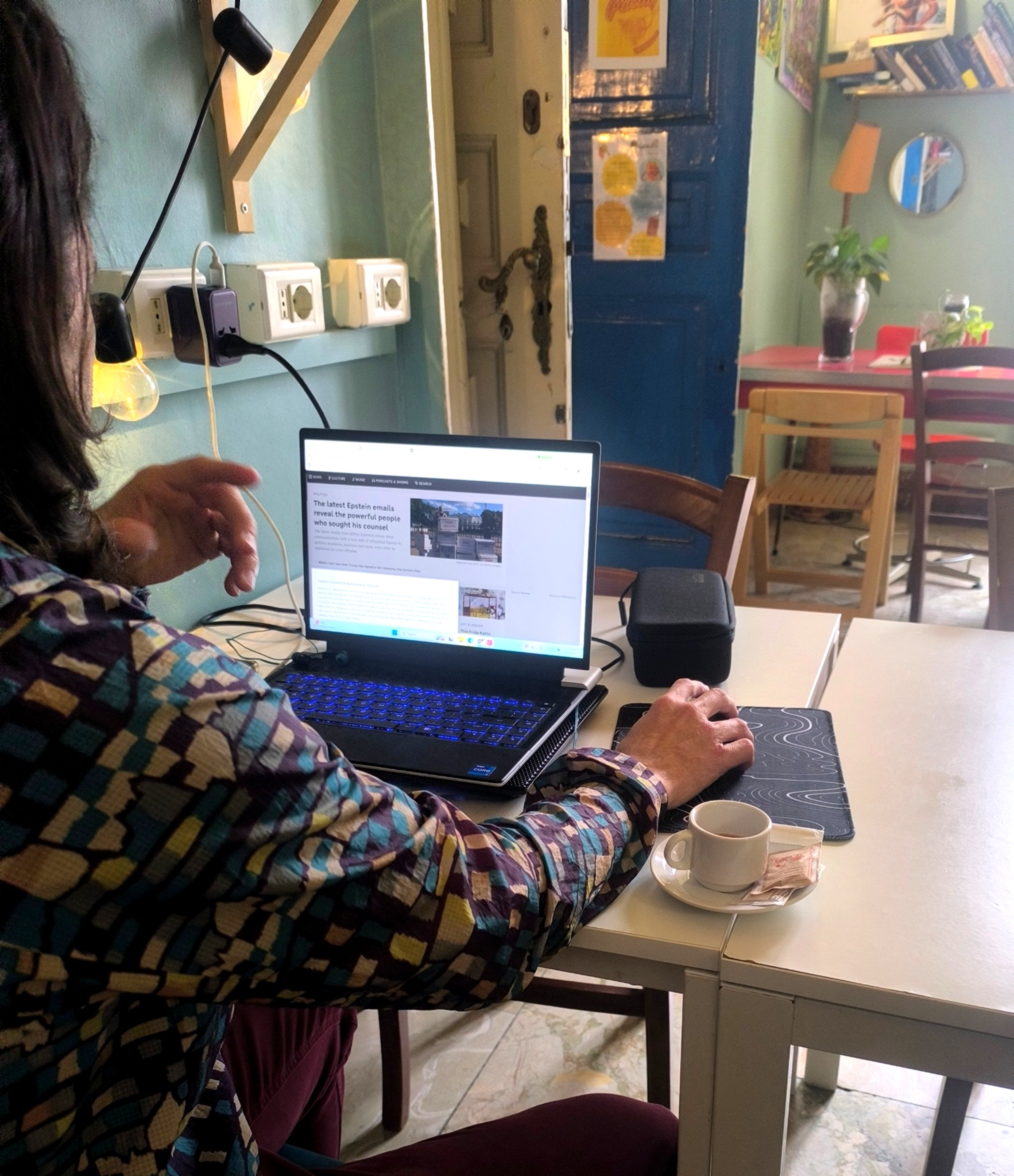
Among EFH members, Ostello degli Elefanti in Sicily embodies this spirit with authenticity.
Located in a historic palace on Via Etnea, it offers a dynamic environment where both travelers and local members of the Welcome 2 Sicily Association can:
- work in quiet rooms
- write on their laptops under frescoed ceilings
- enjoy a rooftop morning with a view of Mount Etna
- join a creative, multicultural community
It is not a traditional co-working space — it is a living example of how hostels naturally support co-living, creativity and flexible work. EFH members across Europe share this same DNA, and many hostels offer spaces where remote workers can feel at home, productive and connected.
All hostels are great for working as they all have good common areas, free wifi and some even offer free coffee or tea, to keep you warm and hydrated. But some of them go even further and have designated areas and private rooms for your meetings. Here are some of the ones we recommend if you need to work during your holidays:
- Latroupe Jacobs Inn has private meeting rooms that guests can use anytime
- Anda Venice has a workstation with Macs
- Sunset Destination Hostel has a co-working space
- Amistat Island has a co-working space
- Los Amigos Nest has a co-working space
- Joy Plaza de Armas also has a co-working. We even have a blog post about it.
Hostels were the original co-living spaces and they continue to be relevant today because they offer something rare: a human way of living and working together. As remote work grows, hostels remain one of the most meaningful and accessible environments for community, creativity and daily inspiration.
Article written by Marcello from Ostello degli Elefanti in Catania
…