Red Light Districts Demystified
Can you pay for sex work in Europe? We hate to disappoint you but there isn’t a simple answer to this question. Sex work is multi-layered and much more complex than a yes or no answer. Luckily you have us to guide you and give you all the information you might need. Read on for our full guide about Red Light Districts Demystified.
As you already know Europe is not just one single country but a continent where laws change at every border. So what might be legal in Germany won’t necessarily be in Sweden. Before traveling, and if you think this is something that might interest you, learn about the local laws. In some popular destinations, you risk a heavy fine or even arrest and that is something easily avoidable.
How red light districts began:
Red light districts grew around major ports and trade hubs where demand was high among sailors, traders, soldiers and travelers – all of whom were men away from home for long periods and with money to spend.
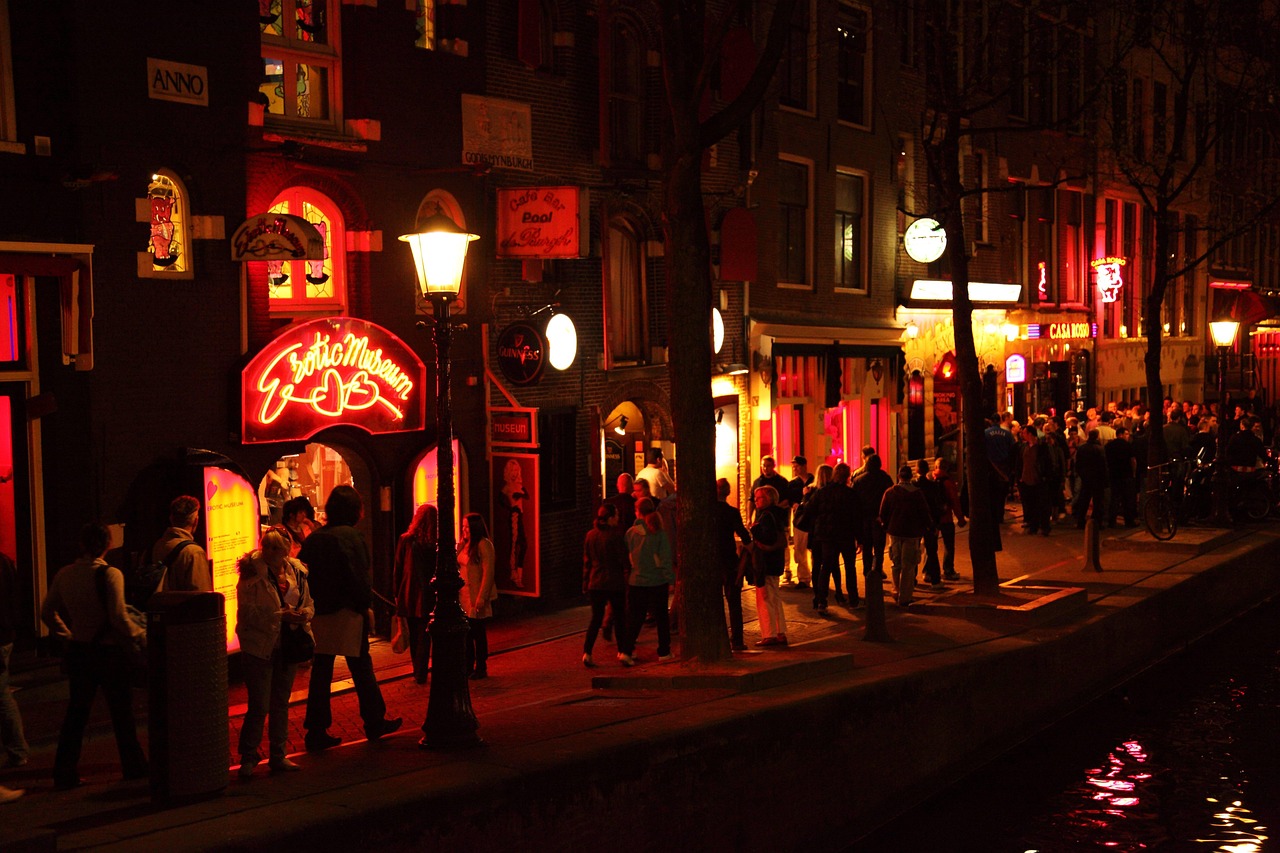
For a long time, both the Church and the European authorities held somewhat open views about these parts of town. They considered them “necessary evils” to control these activities and also a way to keep them confined to certain parts of town. That is why areas, like De Wallen, in Amsterdam, are in some of the oldest and historic parts of a city.
What’s a red light district really like?
Forget the stereotypes you see in the movies. Today’s major European red light districts are often some of the most fascinating and contradictory places in their cities! They are vibrant, highly commercial, and usually incredibly well-lit areas. It’s a place where work, life and history come together.
Many travelers ask specifically about Prague. Unlike Amsterdam or Hamburg, Prague does not have an official red light district. Adult entertainment venues (clubs, cabarets, etc.) are scattered, mainly near Wenceslas Square or in discreet apartments.
A word on the people who work in red light districts:
When you visit a red light district, it’s important to remember that you are interacting with people from many different backgrounds and diverse life stories. In these spots, diversity is the norm as sex workers are not a single demographic. They include women, men, and transgender people; they can come from countries all across the world, have different education levels and reasons for being there.
Also, avoid stereotypes and don’t assume that all sex workers are victims. In the countries where sex work is regulated many operate independently and legally. But also, and we told you this is a complex topic, don’t assume everyone is there by choice. A good rule of thumb for every case is to treat every sex worker as an individual running their own business. Respect their right to privacy, their right to refuse service, and their personal space.
So, how legal is sex work from country to country:
- Legal: in these countries the transaction is considered a legal, regulated service: Netherlands, Germany, Austria, Switzerland, Greece.
- Illegal: In these places the client is criminalized, not the worker: Sweden, France, Ireland, Norway, Iceland.
- Unregulated: In these countries sex work is technically legal, but all related activities (soliciting, pimping, brothels) are illegal or heavily restricted: Spain, Italy, Belgium, Czech Republic.
Two examples:
Red light district in Prague:
- in Prague the purchase of sex is not explicitly criminalized, but organizing the service (pimping, brothels) is illegal. This creates a gray area where sex workers and venues often operate under a “massage” or “club” license.
Red light district in Amsterdam:
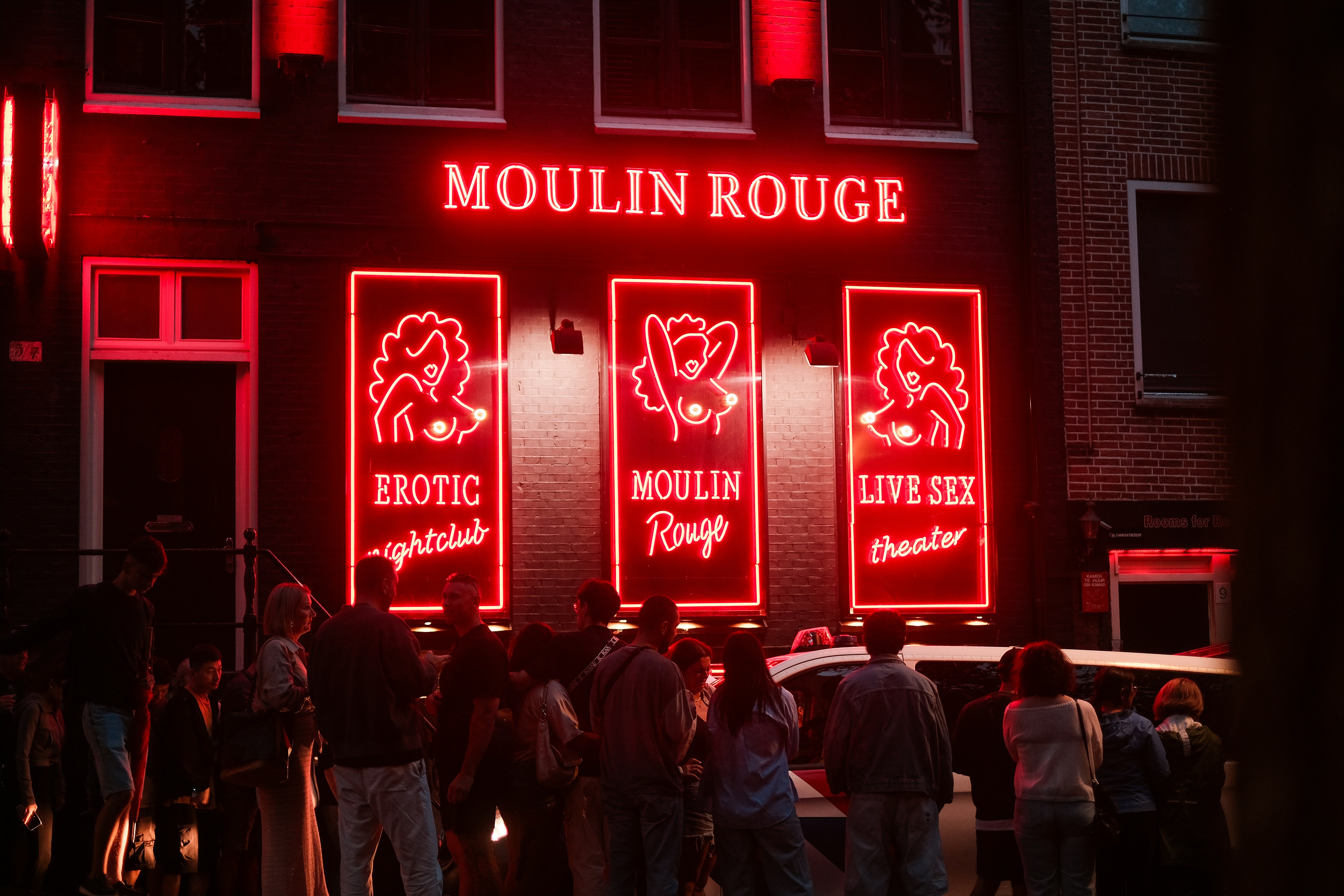
- Unlike Prague’s “gray area,” prostitution in Amsterdam is fully legal and heavily regulated. Here sex workers are considered independent entrepreneurs who must register and pay taxes, and brothels must obtain special municipal licenses to operate.
Non-negotiable rules for red light districts:
When engaging in these types of activities it’s important to keep some rules:
- Absolutely no photos or videos: This is a zero-tolerance rule. It is illegal, disrespectful, and dangerous for the sex workers. Put your phone in your pocket and keep it there!
- Respect the workplace: Remember this is a commercial area and someone’s livelihood. Do not loiter, stare or harass. Treat the windows and doors as if they are the entrance to any other business.
- Know the local law for your city: If you are unsure, search the current law for your specific city (e.g., “Paris sex work laws”). Do not rely on old information.
A warning about human trafficking:
While some areas of Europe have legalized sex work to improve worker safety and conditions, the existence of a red light district always risks attracting organized crime and human trafficking. This is especially true in countries like the Czech Republic, where the lack of specific legal regulation on sex work creates a vulnerability for exploitation and leaves the door open for crime.
Remember, consent is key: Legal sex work involves consenting adults. Human trafficking is violent, coercive and illegal everywhere.
If you suspect or are concerned that someone is being held against their will, look for signs of distress, such as:
- A person appearing very young or injured.
- A person who seems unable to speak freely or is always closely monitored by someone else.
- A person who seems fearful, confused, or disoriented.
If you suspect someone is being exploited or is a victim of trafficking:
- Do not confront the individual or the person monitoring them. This is dangerous both for you and the victim
- Do not engage.
- Immediately and discreetly find somewhere safe and contact the local police (call 112 in most EU countries).
We set out to demystify red light districts, and the biggest takeaway is this: They are complex, but the rules for visiting are simple.
Follow our tips and your experience will be better, more informed, legal and, above all, respectful of the people and the place.
Some extra resources to help you out:
…